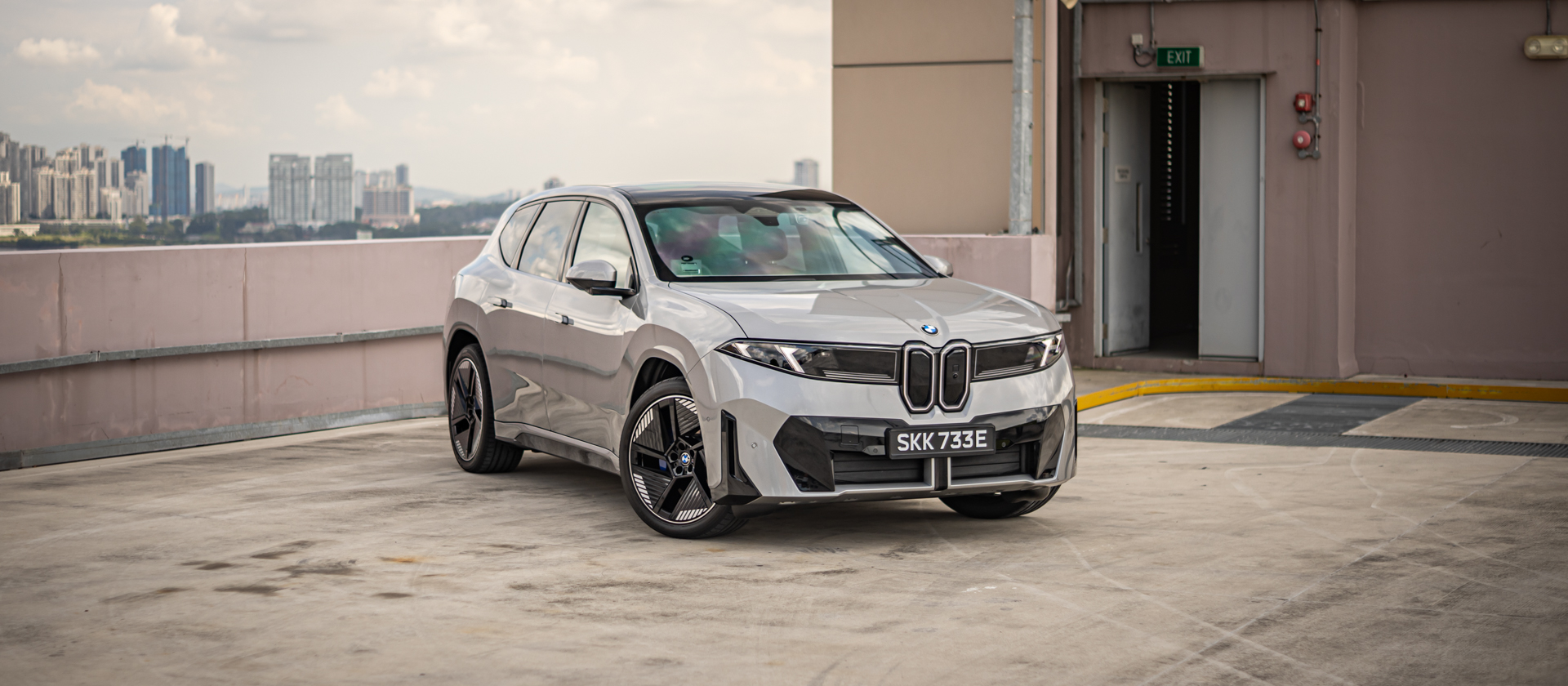
Consider BMW’s electric goalposts well and truly moved with the introduction of their all-new BMW iX3. And that’s because, for the first time ever, BMW has unveiled an electric car built on a dedicated EV platform. One that has not been shared with, or based on, any existing ICE vehicle.
BMW themselves understood the significance of this, which is why they have resurrected an iconic nameplate from their history books for the platform this iX3 sits on – the Neue Klasse. For some context, the last Neue Klasse quite literally saved BMW.
2026 BMW iX3 xDrive50 Technical Specifications
It was the very platform that BMW used to create a line-up of cars in the 1960s and 1970s that cemented their status at the upper echelons of car building, and one that helped the Bavarians bounce back after a truly disastrous 1950s.
These are undeniably big shoes to fill. However, there is every reason to believe that just as the BMW 1500 redefined the automotive landscape in the 60s, this new iX3 is poised to deliver that same transformative impact on the EV space today.
BMW iX3 Exterior Design: Retro, Futuristic, and Modern
The platform itself isn’t the only revolutionary aspect – we’ll delve into the technical developments later in this article. BMW has also thoroughly overhauled the design language for the models sitting atop this new architecture, marking the brand’s most significant visual reset in decades.

Gone are the sharp, aggressive lines and supersized kidney grilles of current internal combustion BMWs. Whilst the new cars still have some bold body lines, each feels intentional and contributes to a stronger, more cohesive road presence. The smaller, vertical kidney grilles serve as a deliberate nod to the classic BMW 2002, flowing seamlessly into its integrated headlights.
This minimalism carries through to the rear, where the taillights feature clean, transparent units housing refined red elements. The lower half of the bumpers introduces the only significant complexity, yet everything remains well-integrated and familiar, echoing the design trajectory of BMW’s 2020s lineup. The resulting aesthetic feels both timeless and distinctly part of the brand’s heritage.

In summary then, the exterior is clean, minimalist, and highly aerodynamic. It is anchored by a “phygital” illuminated face – a fusion of physical form and digital lighting that activates as you approach – and flush-mounted door handles, all of which underscore the brand’s shift toward a more electric, digital-first design philosophy.
BMW iX3 Interior: A Cabin Built Around Technology
There are many subtle smarts that have gone into the BMW iX3’s cabin. BMW has debutted its “Pack-to-Open-Body” architecture, which is fancy speak for the car doesn’t have a floor. At least, not one in the conventional sense. Instead, the top of the battery pack serves as the floor pan of the car, saving weight without compromising on structure.

In doing so, BMW could afford to drop the overall height of the car whilst not compromising on interior space. This design decision is the reason why the iX3 has an incredible 0.24 Cd drag coefficient without the need to have a sloping roofline. Which then also means you can have more interior space.
Some of the tech is more visible. The iX3 is the first production BMW to have its Panoramic iDrive system, which sees all of your data displayed across a screen that spans the width of the car. The right most display is fixed and is dedicated to driving data only. You can configure the rest of the display to output from a wide array of widgets.

The 17.9-inch slanted central touchscreen has what you’d expect from a modern BMW, though it will take some time before Android Auto and Apple CarPlay can develop software to properly fill the entire screen. The only other complaint that we did have is with the massage functionality (which we felt was sub-optimal) and the lack of ventilated seats, something that BMW intentionally omitted.
BMW iX3 Driving Impressions: Long Range with High Efficiency
All Neue Klasse cars are built on 800V architecture. Which means you can charge their battery packs rather rapidly. In this context, the 108.7kWh lithium-nickel manganese cobalt battery can go from 10 – 80% in about 20 minutes.

And this pack is the sixth-generation of BMW EV batteries, featuring individual cylindrical battery cells that yield an additional 20% energy density. On paper, this means up to 805 kilometres of range, though in reality we got closer to 600 kilometres (we averaged 5.3km/kWh).
Still, this is an impressive feat, considering this is a properly-sized SUV that a) weighs 2.4 tons and b) has 469 bhp from two electric motors. It does the century sprint in under 5 seconds, and does spirited driving surprisingly competently.

BMW has sprung the iX3 to resist body roll, but without compromising on overall ride comfort. You’d be fooled into thinking the car rides on some adaptive air shocks, which will be an option eventually, but is something that the current cars don’t have.
Has the Neue Klasse Changed Everything?
The 2026 BMW iX3 is more than just a new model; it is a fundamental reboot of the brand’s electric ambitions. By resurrecting the “Neue Klasse” moniker, BMW has returned to its roots, leveraging a clean-sheet architecture to shed the limitations of traditional internal combustion platforms.

The result is a vehicle that feels purposefully built for the electric age, blending historical design cues with a bold, minimalist, and highly aerodynamic vision for the future.
It strikes a rare balance between raw efficiency and engaging performance. With its 800V architecture enabling rapid charging and a sixth-generation battery pack that delivers substantial real-world range, it holds its own against the best in the segment. It is a heavy, powerful SUV that defies its physical stature, proving that BMW’s pivot to a dedicated EV platform has successfully preserved the driving dynamics that have defined the Bavarian marque for generations.


Want something more conventional instead? Here’s our review of the BMW 520i Touring!