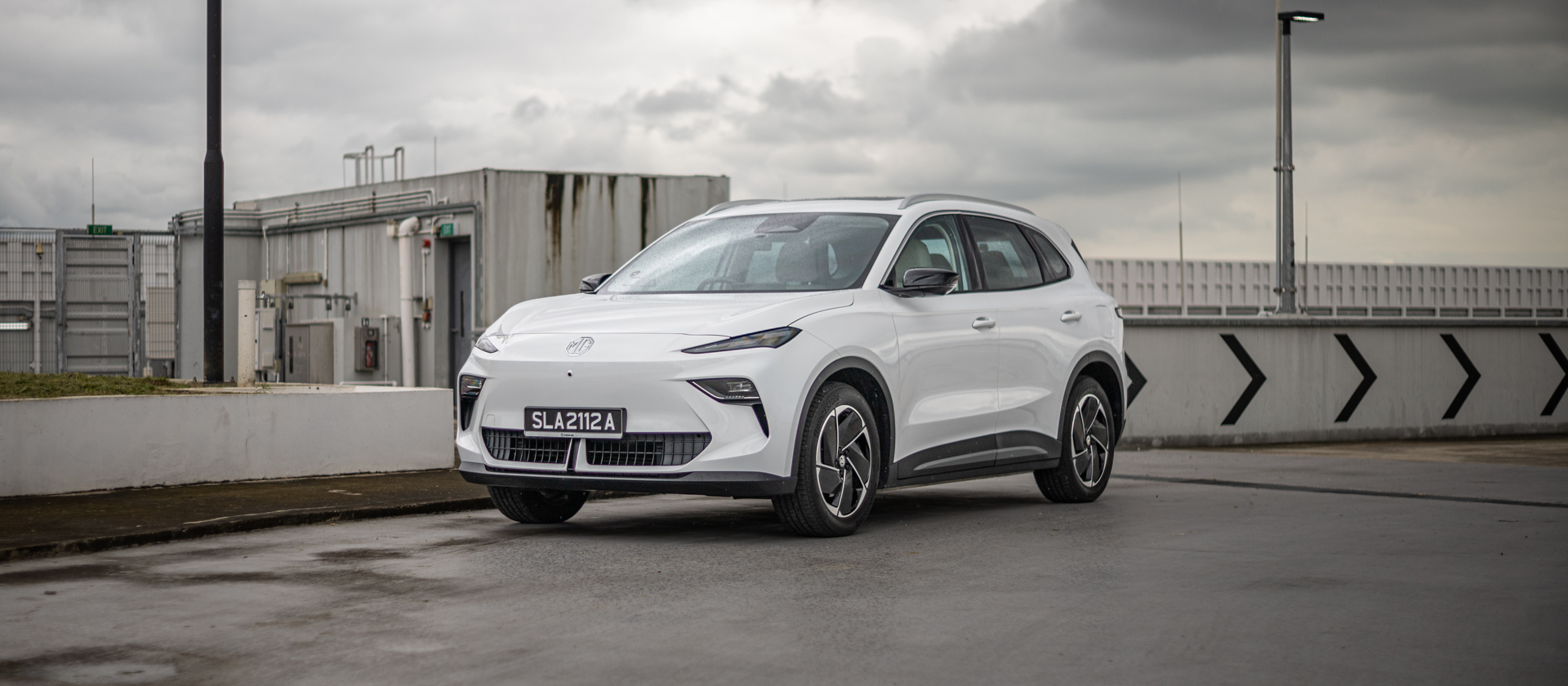
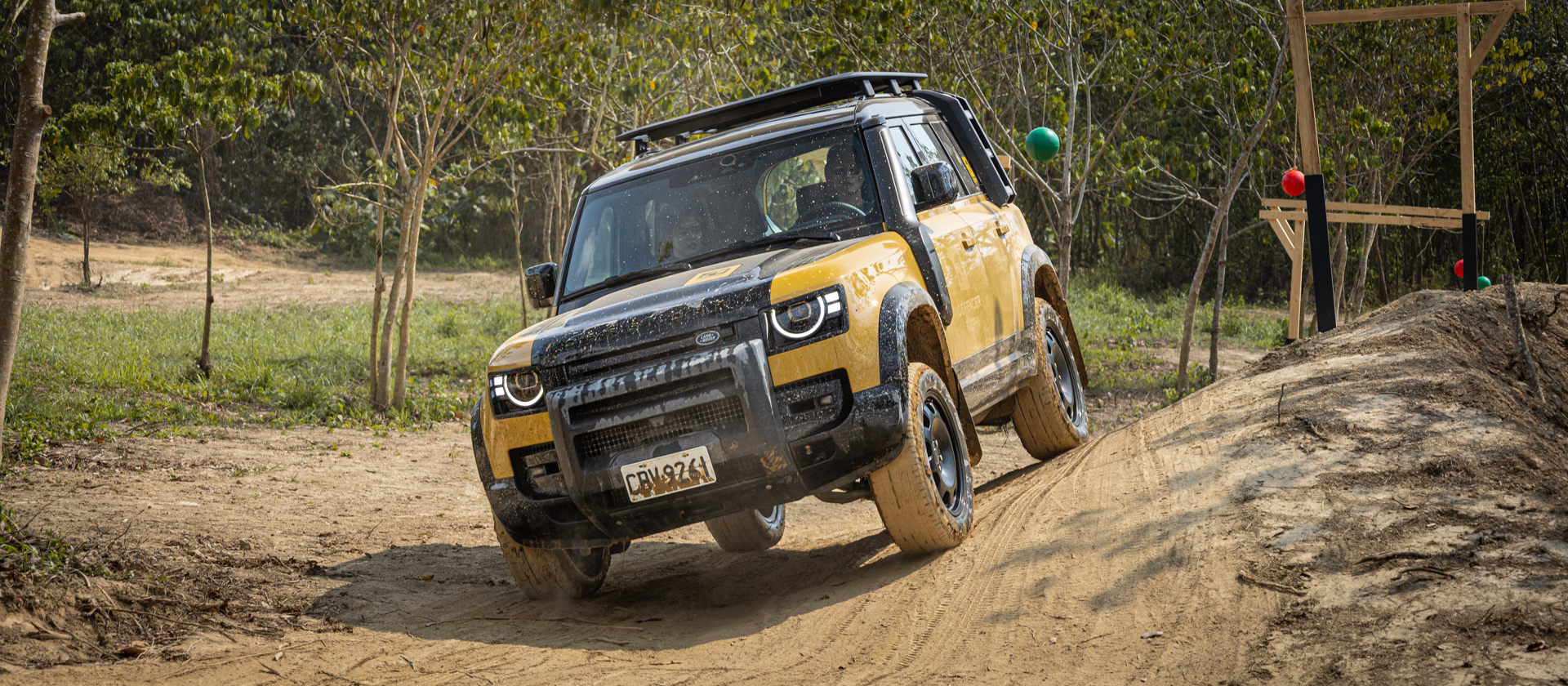
Automakers aren’t charities. The drive for profit means it isn’t uncommon for car manufacturers to pool resources together and share parts, or even co-develop whole platforms.
And if you think about it, there’s logic behind this methodology. The base platform a car has been built on is probably something car buyers don’t typically think about. But yet it probably costs the automaker the most amount of money to develop, as they’d have to work out the overall structure, suspension configuration, and ensure a degree of configurability so they’d be able to drape more bodies on top of them.
With that in mind, here’s our list of 3 unexpected vehicles with related ancestries!
Mitsubishi Evolution 10 and Jeep Patriot

No, we’re not pulling your leg. A storied Japanese rally nameplate was built on the same platform as an American SUV popular with the soccer mums. Well, at least that was the idea initially. Both cars were designed to be based off of Mitsubishi’s GS platform, which was a compact car platform jointly developed by Mitsubishi and DaimlerChrysler.

But before either car was manufactured, the partnership broke down. Mitsubishi soldiered on the the GS platform as-is, whereas DaimlerChrysler opted to alter the base design to better suit their products. A number of quintessential American cars have been built on the JS (mid-size) and PM/MK (compact) platforms, which were Japanese in origin! And one such car happens to be the Jeep Patriot!
Also another fun fact – the Jeep Patriot’s petrol four pots were partially developed by Hyundai!
Volkswagen Caddy and Audi TT

The former is a practical van, suitable for businesses in its commercial configuration and excellent for families when purchased as an MPV. The latter is an entry-level premium sports car, built to thrill those seeking for affordable European performance.

So it’d be hard to imagine that they’d share any similarities, right? Interestingly, but not unexpectedly, both cars have been built on Volkswagen’s PQ35 platform. They never shared any petrol engines, though a diesel Europe-only variant of the TT does utilise the same 2.0 litre TDI engine as found in a Caddy Maxi. Which is probably why some YouTubers have gone on to create fast Caddy vans with parts borrowed from crashed TTs!
It’s a shame that we can’t do the same in Singapore.
Nissan NV200 and Renault Clio

On the surface, a sensible and infinitely versatile Japanese minivan appears to have nothing in common with a compact fiery French hatchback. But they have both been built on the Renault-Nissan Alliance’s B platform, and share many mechanical componentry.

That is if you ignore the obvious suspension differences in the rear of the vehicle. Up front however, the two vehicles share plenty of engine components. To be specific, the duo shares whole engines. You’d find two motors that have been used in either application, such as the HR16DE, a petrol 1.6 litre four pot, and the K9K, which is a 1.5 litre diesel four cylinder.
The torque the HR16DE produces is commendable, especially in a minivan. So it’d be a right riot in a compact hatchback, especially since Renault has also electrified it!
What Does This Mean for Car Buyers?
The good thing about platform sharing is that it opens up parts options to car owners and buyers. It is normal for components to be marked up for cars with a higher original MSRP, with the inverse being true as well.
This means that you’d be able to simply look up a part by its part number, and try to find substitutes from other shared platform cars for some proper savings come maintenance time!
You May Be Interested In: The Skoda Octavia 1.0 is a Genuinely Solid All-Rounder