They are touted as the next big thing in the EV space. Manufacturers have made massive strides with current battery technology, pushing energy density up and weight down ever since electric cars entered the mainstream.
We can take a look at Audi’s e-tron SUV as a case study. The original e-tron 50 had a battery pack with 71 kWh. When the Germans decided to revise and revamp the car, rebadging it as a Q8 e-tron 50 in the process, despite the basic architecture remaining identical, the car gained 24 kWh of capacity.

And whilst there’s still some room for further efficiency improvements, we’d need to look elsewhere to try and close the energy density gap. Which is why several automakers are now pursuing the solid-state battery.
What is a Solid-State Battery?
To understand what a solid-state battery is, we need to first look at existing battery technology first. Most modern EVs are equipped with Lithium-Ion batteries, with separators within its cells to keep their anodes and cathodes apart. The entire assembly is then immersed in a liquid electrolyte solution.
This leaves the pack vulnerable to damage due to temperature changes, as well as the potential for catastrophic failure when punctured.
Solid-state batteries are far more stable. The basic architecture remains the same. However, the liquid electrolyte here has been swapped out for a solid replacement. These batteries are also slightly simpler than existing units, as they do not require a separator between their cathodes and anodes.

With no liquid electrolyte, the pack is more durable, and can withstand greater changes in temperature without affecting its reliability.
Are There any Other Benefits?
Well, solid-state batteries are more energy dense than conventional, mass-market modules. Whilst additional capacity can be added by simply adding more batteries, it very quickly follows the law of diminishing returns, as the added heft yields lower overall efficiency. Also, the price of a new car increases as a result.

Using solid-state technology will allow car makers to add range without adding weight. For some context, an 80 kWh pack built with conventional cells will weigh about 300 kilograms. By replacing said cells with solid-state replacements, you’d shave off close to two-thirds the overall weight.And if you preserve the capacity but significantly drop the weight, you’d be able to do a lot more mileage.
How About Some Drawbacks?
As the technology is in its infancy, these packs are prohibitively expensive to manufacture. And even getting these packs built in the first place is a challenge, as current production lines are just not configured in a way to efficiently build these batteries.
Also, they’d pose a greater headache to the recyclers at the end of its usable life.
When Would We Actually See One?
With the rate of progress, it is likely that you’d see these packs becoming affordable enough that they’d be fitted to cars in about a decade’s time. The introduction of this technology is what the world’s governments seemingly want, as many have imposed bans on internal combustion.

This technology will also close the discrepancy in recharge/refuelling times between a current-day EV and an ICE vehicle. Toyota estimates that their Solid-State pack can have enough energy to travel around 1,200 kilometres, and would only require a recharge time of about 10 minutes.
It does seem that we are in for a proper automotive energy breakthrough. And it’d all happen within the next decade!
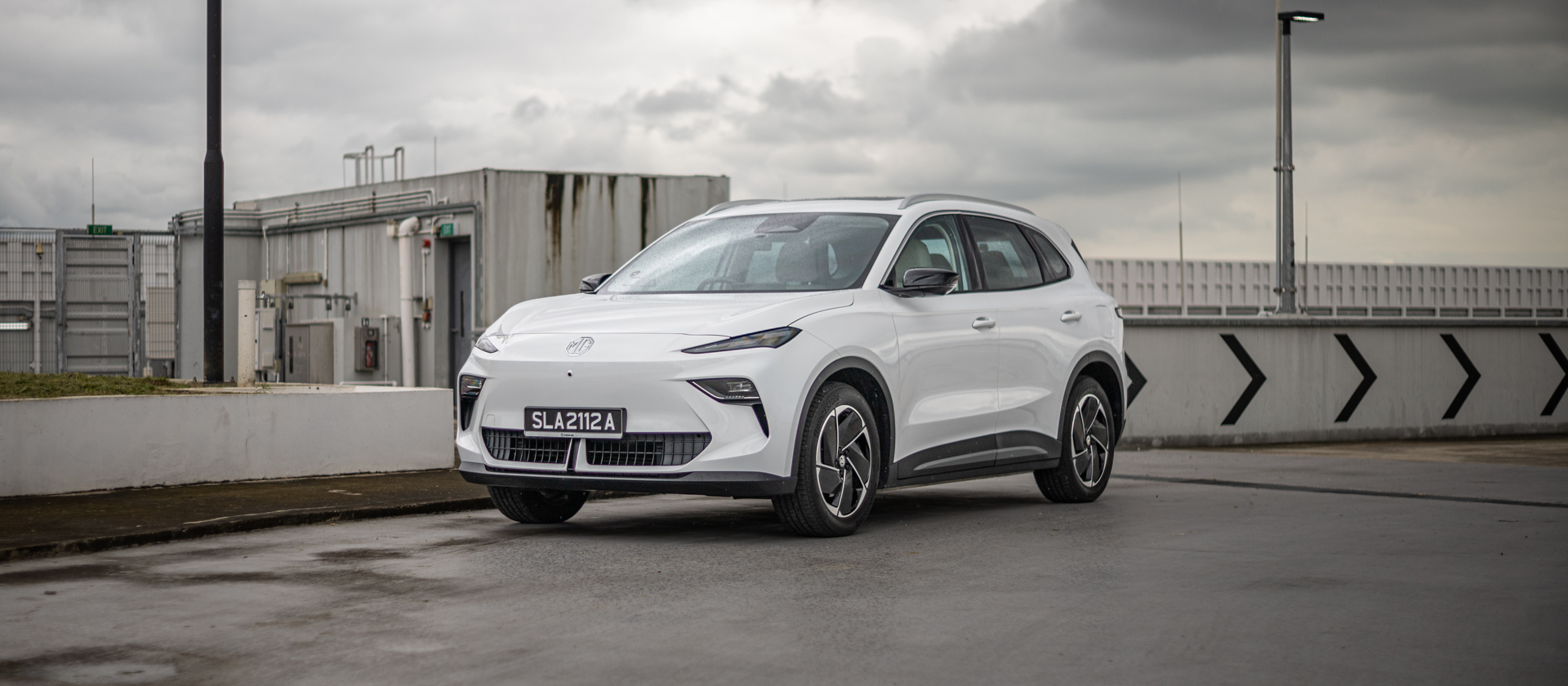
Editor’s Note: None of the cars featured in this article have solid-state batteries. The article mentions that this is technology not yet available in a production car. Photos are strictly for illustrative purposes only.
You May Be Interested In: A Quick Look at the New Audi Q8 e-tron!