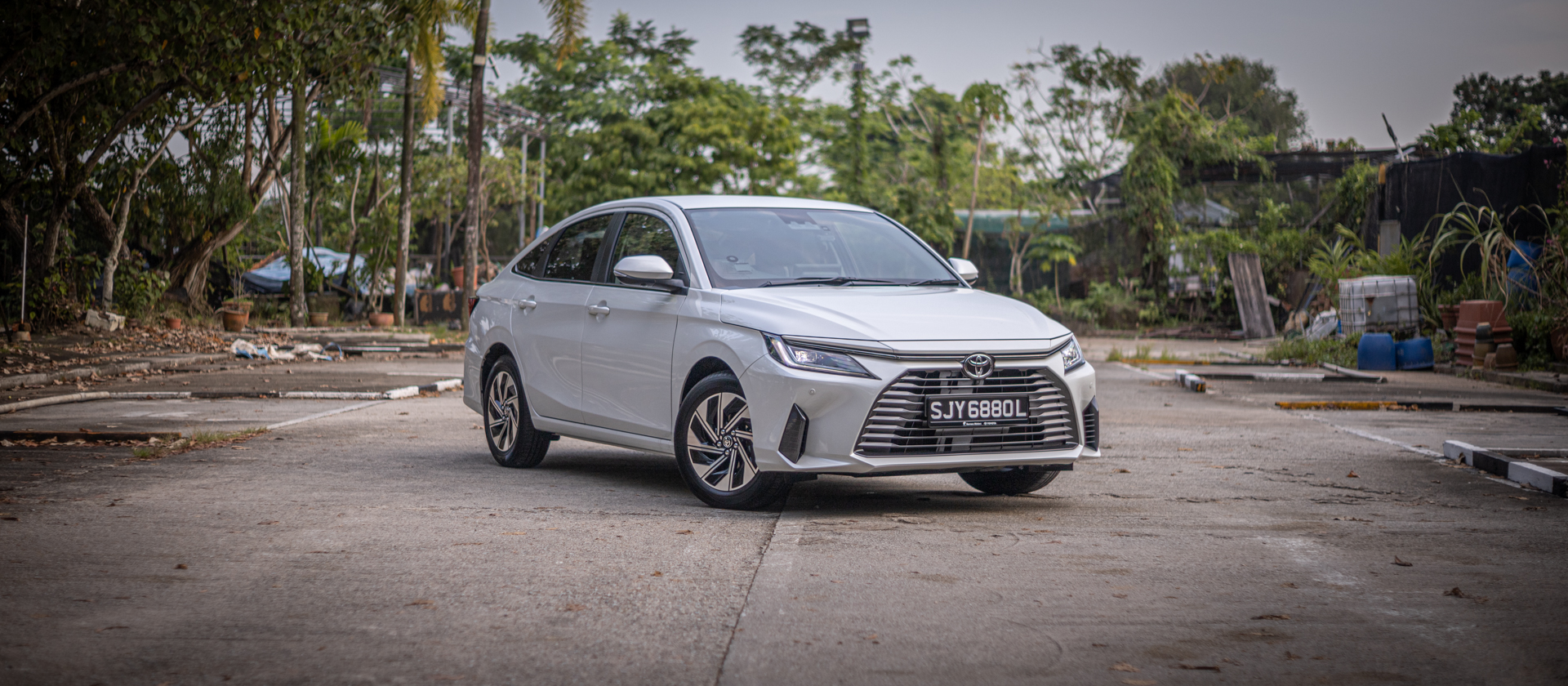
The concept of a facelift was first conceived by General Motors in the 1920s. It was originally designed as a strategy to artificially date their cars, encouraging consumers to purchase their newest models on an annual basis.

A century on, the concept remains very similar, though the method of execution has differed from its original intent. Automakers now only significantly update their models halfway through its intended lifecycle, and the changes usually aren’t solely cosmetic only.
The Modern Facelift
With more new cars and automakers than ever before, those that’d like to keep their skin in the game will have to come up with new strategies to keep up. It isn’t financially viable to put all-new cars into production on a regular basis, so car makers need to ensure their base designs last well into the future.

Similar to what GM did 100 years ago, modern car makers will introduce revised front and rear end designs to their car models at some point in its production run. This typically happens around the four-year mark, and will see designers incorporating some of their own brand’s newer design cues into their existing cars.
Doing so allows the car to be kept fresh and up-to-date, ensuring it remains competitive in a market that is consistently becoming ever more saturated.

But unlike the GM of a century ago, manufacturers will often also introduce mechanical changes to their cars. These can include new or heavily-reworked engines and gearboxes, as they chase ever stricter emissions standards.
Gizmos and gadgets from higher-spec cars may also trickle down into the more entry-level variants, further enhancing its appeal to car buyers.
Changing Trends
However, there appears to be a subtle shift in the mindsets of the car manufacturers. It is becoming increasingly common for them to introduce multiple comprehensive facelifts to their existing cars, as they chase product lifespan expansion.

This is in stark contrast to the general urgency that automakers adopted just a few years back, in which many are willing to end their existing ICE car models in order to develop all-electric replacements.
As more are becoming increasingly aware of the steep electric mountain that we have to climb, more and more brands are starting to adopt a “wait-and-see” approach to car building, choosing to instead extend the viability of their existing models through a second or third facelift.

Several major economies around the globe and many car companies have back-tracked on their all-electric goals. Perhaps consumers are now realising that a mixture of propulsion methods will probably be the most realistic manner to reduce transportation carbon emissions.
You May Be Interested In: The Top 5 Cars of 2024 so Far…According to You