The forward thinkers at Kia have decided to create an extremely versatile platform to build their Niro on.
The platform in question? Hyundai-Kia K3, which is said to have been conceived as an electric platform first, before being adapted to work with an assortment of other powertrain configurations.
2024 Kia Niro Electric 64.8kWh Technical Specifications
And this strategy appears to have paid off. The Electric’s Hybrid counterpart is a fantastic vehicle in its own right, combining excellent fuel efficiency with a well thought out (and made) cabin. But has this approach compromised the platform’s efficacy for the electric powertrain? Well, as it turns out, not one bit.
Angular Modern Design
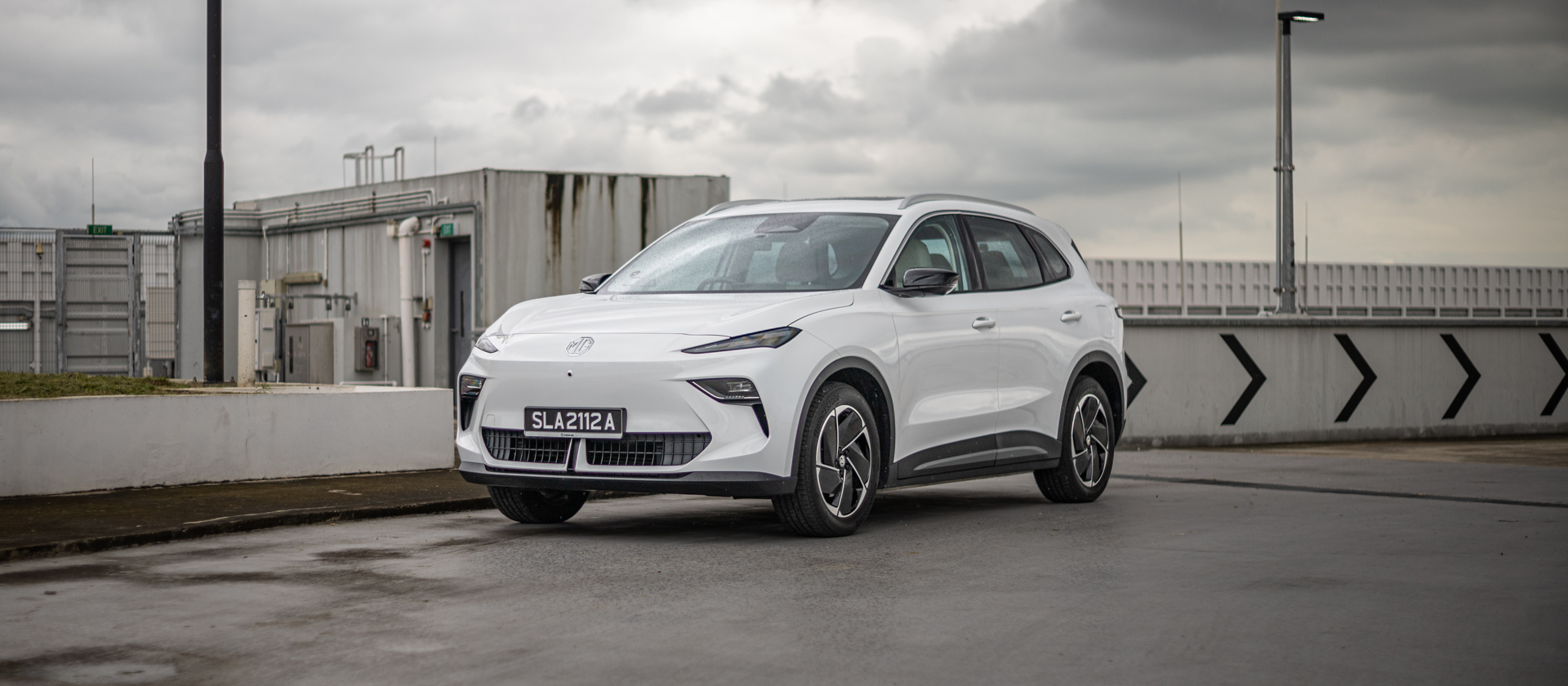
Unlike the slightly generic looks of the car it succeeds, the new Niro looks modern, stylish and refreshing. There is an almost continental look to the side profile of the vehicle, with no unnecessary swage lines to complicate the metalwork.

There are some minor differences to the front fascia of the Electric. The lower half of the front bumper is larger and more angular than the Hybrid, and the faux light bar also has a cut out in the middle for the charge flap.
Another change is the lack of a fuel filler flap on the rear left side blade of the vehicle (for obvious reasons). The rear fascia has more dimension to its bodywork than perhaps any other aspect of the car, with complex curves, lines and boomerang-shaped tail lights to finish off the overall aesthetic.

It is genuinely a very good-looking car, helped no doubt by its overall fit-and-finish (the paintwork has very little orange peel, and all the panel gaps are even). The 17-inch alloys help to complete the look.
A Well Thought Out Cabin
The attention to detail continues in the cabin. Kia decided to not migrate all of the controls onto its infotainment screen, choosing to retain some functionality on a centrally-mounted control panel. You are able to toggle between using the touchscreen and two knobs to control either the infotainment or the air-conditioning system.

This is perhaps the best execution for these controls from across any brand, as it allows you to keep the cabin minimalist whilst still ensuring you have easy access to the controls at any time.
You can definitely tell that Kia spent some good coin in the cabin. For a mass-market vehicle, it comes with features that even more premium rivals lack. For instance, both front occupants have fully-electric and ventilated seats. The steering wheel has also been trimmed in an ecological bio-artificial leather, which feels really good in the hands.

With a boxy body shape, and decent amounts of room in the rear, the Niro is practical enough for a growing family. You can easily find a position to get comfortable in, with sufficient head, knee should and legroom even in the middle seat.
The Driving Experience
Right off the bat, you’ll notice that it rides a lot better than the previous Niro Electric. The suspension feels more composed, and it’d easily soak up most of the imperfections on our roads. Larger dimples on the surface will still be transmitted into the cabin, but it everything still feels well-managed and controllable.

It actually has less power than its similarly-equipped predecessor, but this is to ensure it complies with the Category A COE limitations. Still, being electric, the car feels spritely off-the-line, and you’d easily to able to catch gaps in traffic. And it isn’t just straight-line performance that is impressive – it corners very well too, with suspension that is just firm enough to resist excessive amounts of roll.
The one-pedal drive mode in the Niro Electric is most definitely the way to go if you are going to daily the car. There’s sufficient heft in the throttle to allow you to accurately control the amount of regen you are feeding into the car, which enables you to come to a complete stop purely using the motor.

Kia has fitted this Niro with the largest ever battery in the nameplate’s history. The 64.8 kWh Lithium-Ion battery pack is good for a WLTP-tested range of 460 kilometres. And the car would actually do that figure in the real-world too – I averaged 6.9 km/kWh, which works out to be about 450+ kilometres if I used up all of the battery. Mightily impressive.
Changing Perspectives
At $204,000 (price is accurate at the time of publishing), the Niro Electric most certainly isn’t the cheapest car in its class. There are many other electric crossover offerings its size on sale right now, and some of them have even more power and torque than the Niro itself.

But you’ll have to change your perspective when looking at the Niro Electric. Whilst it is undoubtedly a competitor to a whole slew of Chinese crossover EVs in terms of size, these competitors are fail to do something the Kia does very well – have a cohesive interior with easy-to-use switchgear. Also, not many of them have the build and material quality of the Niro too.
It also has more range, and drives much better than a lot of its competitors too. It may cost more than some of its closest rivals, but that’s because it just is more car – simple as that.


You May Be Interested In: 2023 Kia Niro Hybrid SX Review – Possibly The Best Hybrid Crossover on Sale Today