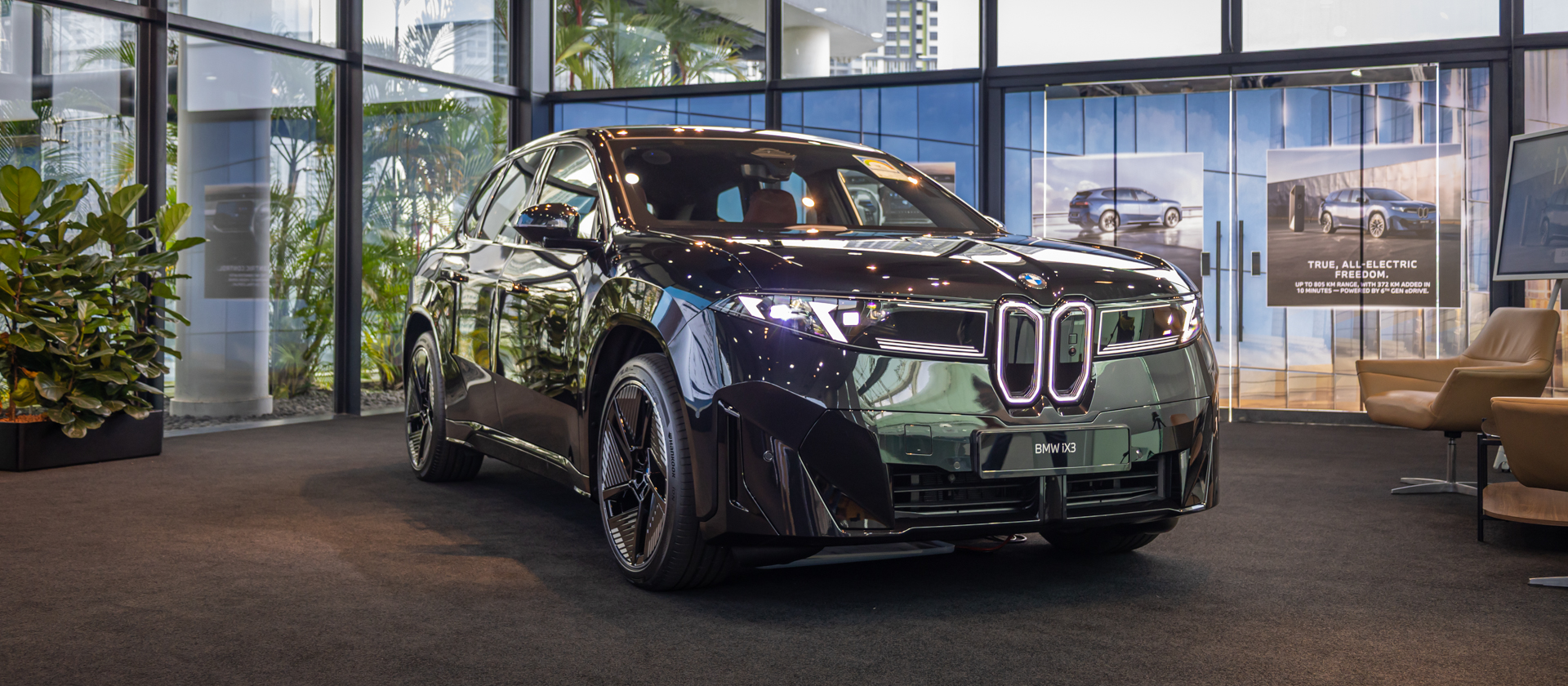
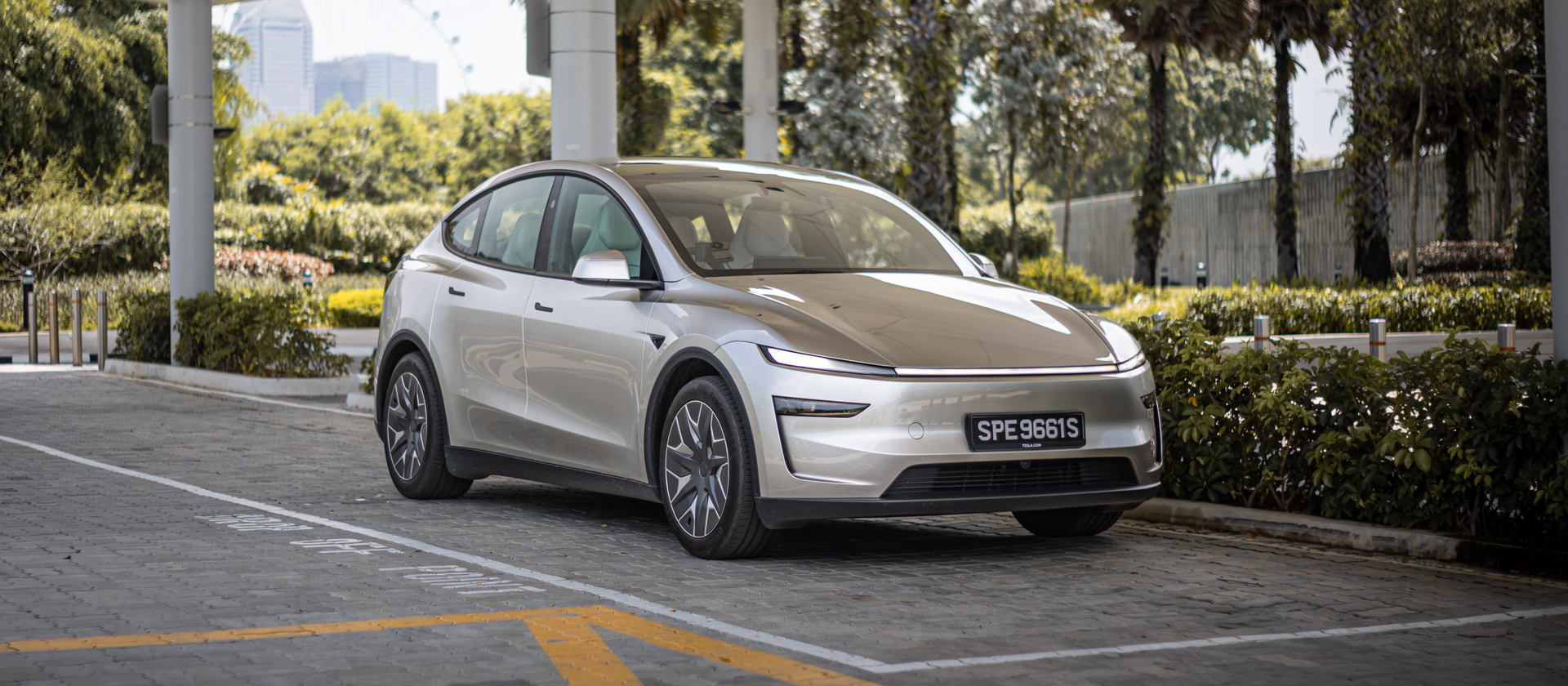
There has been a bit of a divergence in car design over the past couple of years. Some car makers have chosen to festoon their vehicles with vents, sharp swage lines and sheer size in a bid to draw the attention of the car buyer.
Whilst others have taken a more tasteful approach in the creation of their cars. Take Dongfeng for example. Their BOX hatchback appears to be heavily retro-inspired, down to its smooth contours, eye-catching factory colours and its diamond stitch patterns on the inside.
2025 Dongfeng BOX Technical Specifications
And why not? To counteract a battery pack’s lower overall energy density (as compared to a fuel tank of a similar size in an ICE car), EVs need every bit of aerodynamic help that they can get. And retro designs happen to have the very traits that EVs would benefit from.
Think smooth surfaces, a lack of obnoxious grilles, and no obvious visual bloat. But there’s more to the Dongfeng BOX. It isn’t just a generic retro-inspired car, for it actually has some character of its own.
But we Have to Talk About its Design
It may have taken more than a leaf out of the retro car design playbook, but the Dongfeng BOX actually manages to still look distinctive and strangely futuristic at the same time. Sure, the overall theme of its design is rooted in the icons of yesteryear (we can see bits of Nissan Figaro in its styling), but Dongfeng has managed to weave modern cues into the very fabric of its styling.

Being an electric car, there’s no need for a large front grille…so it doesn’t have one. It does have a front lightbar, which actually neatly integrates into the DRLs of the headlight clusters. Unlike most modern vehicles, they are actually singular units (the headlights and DRLs are one), with a small trim piece added to give a pseudo-split headlight aesthetic.
The floating C-pillar and colour contrast roof further reinforce this retro ethos. The rear end is simpler, and perhaps less retro, but by no means is it less distinctive. You get two floating taillights in the back, with a tailgate that is half-finished in body colour and half-finished in black.

Dongfeng then finished off the BOX with a set of thoroughly modern alloy wheels. They are a good size (17 inches) with proportionate side wall heights that also fill the wheel arches very nicely.
Surprisingly Cavernous Inside
Once again, taking a leaf out of the retro/icon/classic car handbook, the Dongfeng BOX does its overall packaging very well. As is the case with the OG classic Mini, the BOX has each of its four wheels pushed to the far corners of the vehicle.

This maximises the available space on the inside, and is something you most definitely feel when you first get in. The use of white leatherette also helps to further create a sense of airiness, making this compact hatchback feel far larger than it really is.
There are signs that this car was intended to be on the lower end of the price spectrum though – most of the bottom half of the interior has been built out of hard-wearing plastics. However, all of the build budget has clearly been spent on the high-touchpoint areas, as the dashboard and top half of the door cards have been finished in a soft-touch, white leatherette.

The only thing that could have been better is its infotainment screen. We found it to be a little laggy, and the resolution wasn’t the best too. More frustratingly, the Android Auto app and the infotainment system itself were two separate Bluetooth devices, meaning you’ll have to connect to both in order to get full functionality. However, once the devices are paired, the experience is fairly seamless.
Surprisingly Analogue
As the Dongfeng BOX is fundamentally a basic vehicle, it actually feels rather basic to drive – in a good way. Sure, the sound insulation isn’t world-class, but then again what did you expect from a car in its price bracket?

The steering feels surprisingly direct, albeit with overzealous power steering (i.e the rack feels very light). With a short overall wheelbase, it feels surprisingly agile, and is actually really fun to drive in the corners.
And there’s more good news. It may only have a 42.3 kWh battery, but you’d be shocked at just how far it’d go on a single charge. Typically, most electric vehicles would struggle to crack 6 km/kWh. If that was the case, the BOX would only be able to do somewhere in the region of 250 kilometres.

But the Dongfeng engineers managed to build a powertrain so efficient that the BOX, at least in our hands, would do an efficiency of close to 10km/kWh (making it by FAR the most efficient car we have ever driven) – meaning it’d achieve around 420 kilometres in the real-world. And this was without us trying to actively drive in an efficient manner too. With the cheapest charging on the market at the time of publishing ($0.54 per kWh), the BOX will be able to do about 18 kilometres per dollar.
Diamond in the Rough
All the ingredients of a solid little package are there – the Dongfeng BOX just needs some polish. It is a car that doesn’t try too hard, nor does it attempt to overwhelm you with numbers and/or gimmicks.

It looks good, drives with an honesty that you really don’t get all that often anymore, and somehow manages to be so ultra-efficient that running costs are essentially negligible. It has its rough edges, sure, but they never overshadow the charm baked into the rest of the car.
If anything, they remind you that this is a simple, well-thought-out EV built for the real world. And in a market crowded with heavy, over-styled electric crossovers, the BOX stands out by going in the opposite direction.


Here’s another cute retro EV that you might be interested in! – ORA Good Cat 03