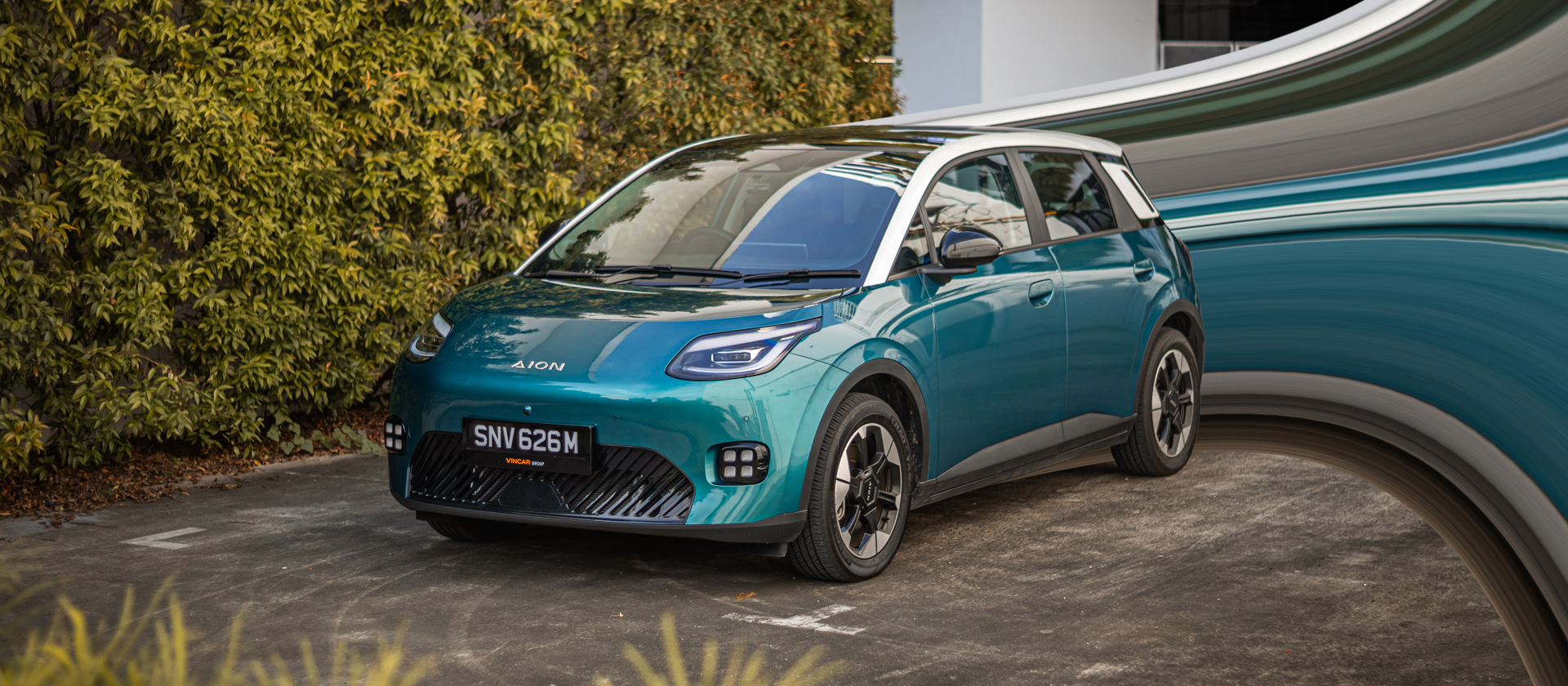
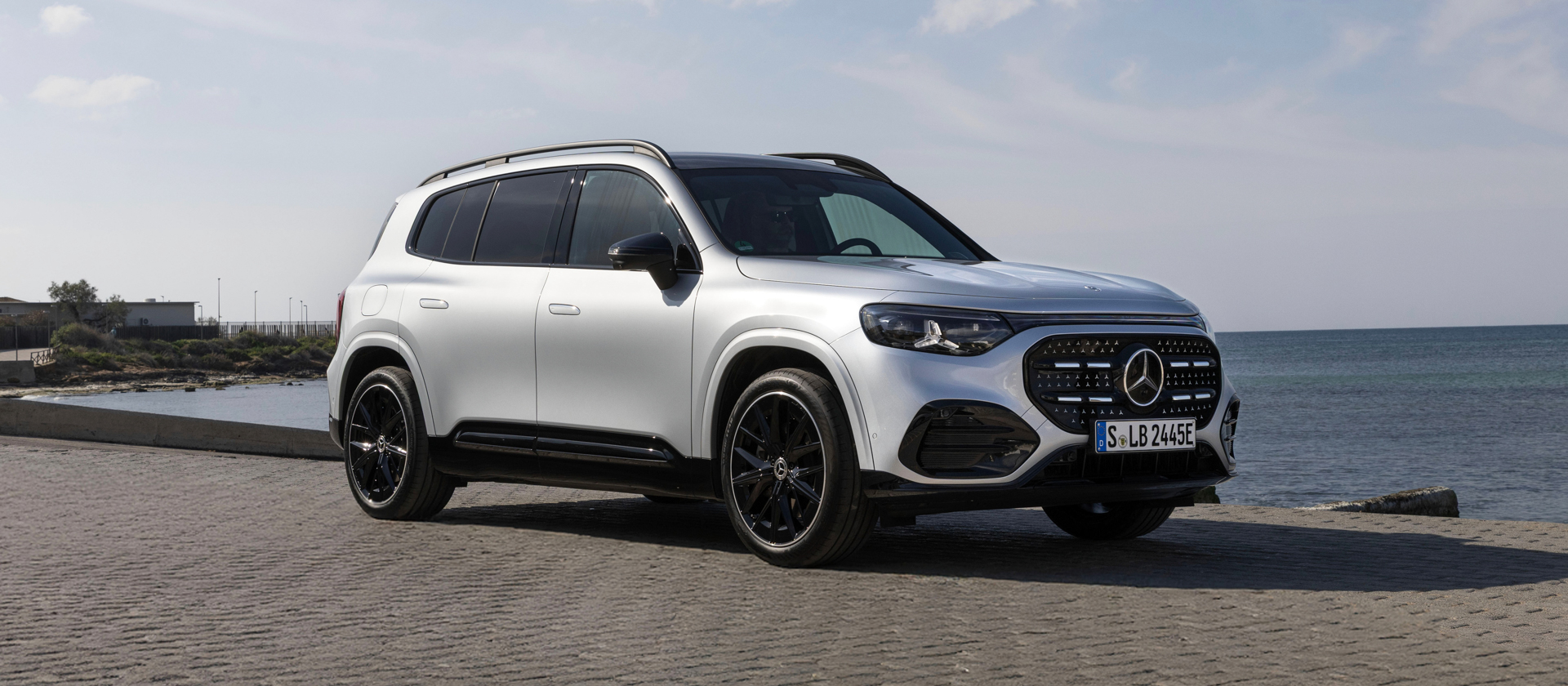
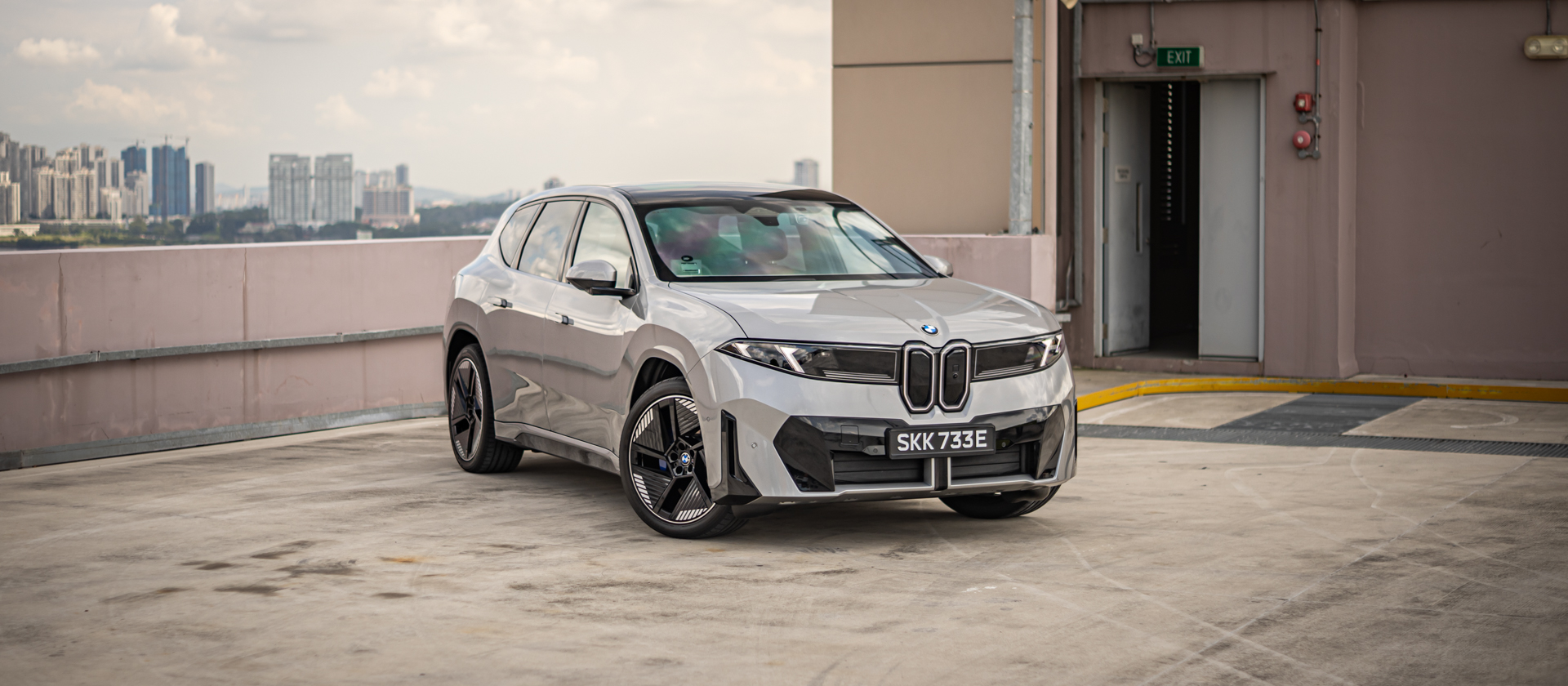
The Singapore Green Plan 2030 was announced in 2021. The goal? To reduce our overall carbon emissions, and achieve net zero by 2050.
Transportation happens to be one of the bigger players in the release of greenhouse gases. To combat this, the government announced a transition to greener mobility, introducing schemes to incentivise the adoption of electrified vehicles.

One arm of this plan is the adoption of greener vehicles, particularly all-electric ones. But when the policy was first unveiled in 2021, uptake was slow.
And understandably so too. Back then, electric vehicles were far costlier than their combustion cousins. To soften the blow then, generous incentivies were offered, allowing EV makers to acheive price parity with their combustion counterparts. But cost wasn’t the only factor behind the slow initial adoption.
Range was also a factor too, with most models unable to cover more than 300 kilometres on a single charge. Chargers weren’t as plentiful as they are now, and most top out at 50kW. (In all fairness, that is still quick enough even today, but it wasn’t confidence inspiring enough to galvanise the masses to make the switch to electric.)

But a lot has happened since 2021. In an ever-evolving EV world, car manufacturers have launched, then updated or replaced models at a rapid pace, with the latest models now have advanced LFP batteries and triple digit DC charge rates.
Which then begs the question – can you switch to electric today without any significant compromise?
The Vehicular Landscape Today
What was rapid in 2021 is no longer that impressive in 2025. Most vehicles are capable of DC fast charge speeds exceeding the 50kW standard from back then.

Even your humdrum entry-level EV will fast charge at up to 100kWh. And modern batteries are far more resilient too, with manufacturers rolling out puncture-proof packs, and alternative battery chemistries to ensure long-term endurance.

We now also have data to prove that the fear of long-term battery degradation is far overblown, with even aged, high mileage models able to still achieve reasonable levels of mileage between charges. We even tried it for ourselves with an older EV – you can read about the experience right here.
But What If I Need A Commercial EV?
Even so, you’d be spoilt for choice. EV vans have been available for a long time now, with electric technology also trickling down into heavier duty commercial vehicles.

And companies like CRRC are embracing this wave of electrification, creating truly tailored products to suit the needs of companies. The result of this commitment? Businesses that require a minibus can now switch to a zero-emission vehicle without compromise.

CRRC’s Pro7 can do up to 320 kilometres on a single charge, and it does so without utilising an excessively large battery – it only has a pack with 175 kWh of capacity. Doing so reduces the cost of the vehicle, whilst also ensuring greater reliability in the long run. Instead, this efficiency is achieved through the use of highly-optimised electric motors, built to be efficient from the get go.

And don’t think CRRC just builds minibuses too. The Chinese heavy vehicle manufacturer also builds urban transit solutions, such as the eD12. This double decker bus was built for the needs of our public transit operators, with a reliable powertrain, large capacity and range that allows for flexible deployments!
Interested parties can download the brochure for the CRRC Pro7 with the link below:
Alternatively, you can head to ST Engineering Mobility Services to learn more about their offerings!
You May Be Interested In: An Electric Car Road Trip in 2025 (ft. Volkswagen ID. Buzz)